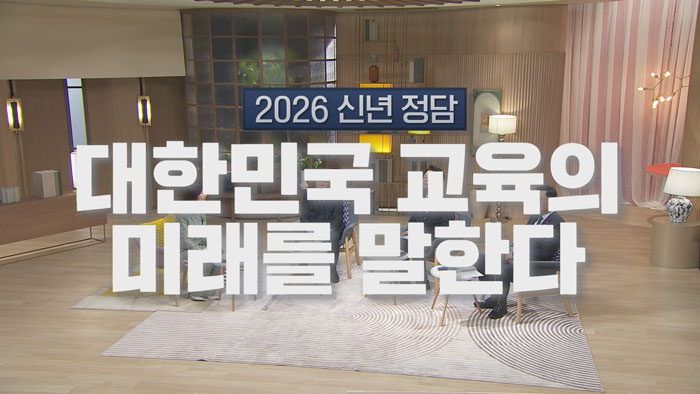
EBS는 1월 22일(목) 오후 6시 30분, 대한민국 교육의 미래를 주제로 한 특집 프로그램 <2026 신년 정담 – 대한민국 교육의 미래를 말한다>를 1TV를 통해 80분간 방송한다.
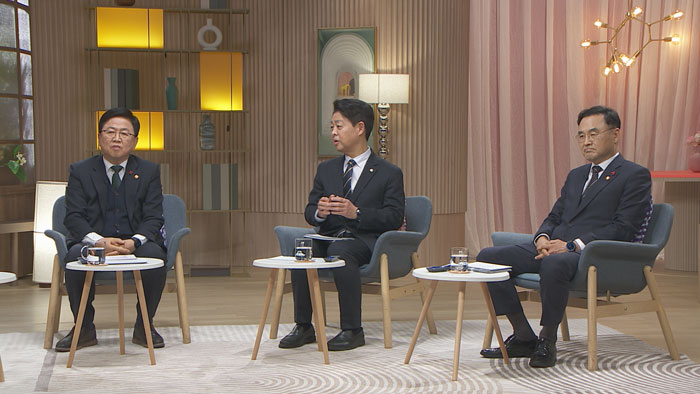
이번 방송은 교육정책의 집행(교육부), 중장기 비전 수립(국가교육위원회), 제도 마련(국회 교육위원회)을 책임지는 교육계 세 축이 한자리에 모여 실질적인 변화와 전략을 논의하기 위해 마련됐다. ‘정담(鼎談)’이라는 부제처럼 최교진 교육부 장관, 차정인 국가교육위원회 위원장, 김영호 국회 교육위원회 위원장이 마주 앉아 심도 있는 대화를 나눈다.
핵심 의제는 △AI 인재 양성 △문해력 회복과 독서교육 △지방대학 육성 등 세 가지. 출연진은 기술을 넘어선 인격적 인재 양성의 중요성과 함께, 독서를 통한 문해력 향상, 지방대학을 중심으로 한 국가균형발전 전략을 집중 논의한다.
또한 학생·학부모·교사 등 교육 3주체의 목소리를 반영하며, 모두가 행복한 교육공동체를 위한 각 기관의 역할과 책임도 함께 조명한다.
이번 정담은 정책·비전·제도가 유기적으로 작동할 때 비로소 교육의 미래가 실현된다는 점을 강조하며, 대한민국 교육 백년대계의 새로운 출발점이 될 것으로 기대된다.
EBS will broadcast a special program titled <2026 New Year's Dialogue - Discussing the Future of Education in South Korea> on January 22nd (Thursday) at 6:30 PM for 80 minutes on 1TV, focusing on the future of education in South Korea.
This broadcast is organized to bring together the three pillars of the education sector responsible for implementing education policies (Ministry of Education), establishing medium to long-term visions (National Education Commission), and setting up systems (National Assembly Education Committee) to discuss substantial changes and strategies. With the subtitle 'Dialogue of the Three', Minister of Education Cho Gyu-jin, National Education Commission Chairman Cha Jeong-in, and National Assembly Education Committee Chairman Kim Young-ho will engage in in-depth conversations.
The key topics include nurturing AI talents, restoring reading comprehension and promoting reading education, and fostering local universities. The participants will focus on discussing the importance of developing personality-based talents beyond just skills, improving reading comprehension through reading, and the national balanced development strategy centered around local universities.
Furthermore, reflecting the voices of students, parents, and teachers, the roles and responsibilities of each institution for creating an educational community where everyone is happy will also be highlighted.
This dialogue emphasizes that only when policies, visions, and systems work organically together can the future of education be realized, and it is expected to be a new starting point for the next hundred years of education in South Korea.