The Touch of a Master Craftsman of National Intangible Cultural Heritage Becomes a 'Legacy' for Future Traditions
...
이병재 기자 (2026-09-17 11:20)
국가유산청 국립무형유산원은 오는 22일부터 10월 18일까지 국립무형유산원 기획전시실에서 ‘2026 국가무형유산 보유자작품전’을 개최한다.
올해로 54회를 맞이한 이번 작품전에서는 ‘궤적(TRACE)’이란 주제로 갓일, 사경장 등 국가무형유산 전통기술분야 보유자와 전승교육사 102명의 작품 231점을 선보인다.
1973년 ‘인간문화재 공예작품전시회’로 시작한 ‘국가무형유산 보유자작품전’은 반세기 넘게 전승자들의 작품을 통해 우리 전통기술의 가치와 생명력을 보여주는 대표적인 전시로 이어져 왔다. 올해 전시는 이러한 전통을 바탕으로 장인의 작품에 담긴 시간과 과정, 그리고 한 세대에서 다음 세대로 이어지는 전승의 흐름을 ‘궤적’이라는 주제로 풀어낸다.
‘궤적’은 물체가 지나간 자리에 남는 자취이자 흔적을 의미한다. 이번 전시에서는 완성된 작품이라는 결과에만 주목하지 않고, 그 작품이 완성되기까지 장인이 쌓아온 시간과 몸짓, 마음의 흔적을 함께 바라본다. 재료를 익히고 기술을 연마하며 반복되는 작업을 견뎌낸 시간은 작품에 고스란히 축적되고, 오랜 수련을 통해 다듬어진 장인의 손길은 작품만의 고유한 결로 남는다.
이번 전시에서는 목, 칠, 도자, 옥석, 금속, 복식 등 다양한 분야에서 작품 활동을 이어오고 있는 장인의 이러한 과정을 ‘밀도’, ‘연마’, ‘정진’이라는 세 가지 가치로 보여준다.
▲ 첫 번째 ‘밀도’에서는 넝쿨무늬와 꽃무늬로 아름다움을 더한 ‘나전 옻칠 해금’(고흥곤 악기장 보유자), 완주 화암사 극락전의 일부를 축소·재현한 ‘완주 화암사 극락전 하앙 공포’(김영성 대목장 보유자) 등을 통해 재료를 마주하고 몸으로 익히며 마음을 기울인 시간이 작품에 쌓이는 과정을 선보인다.
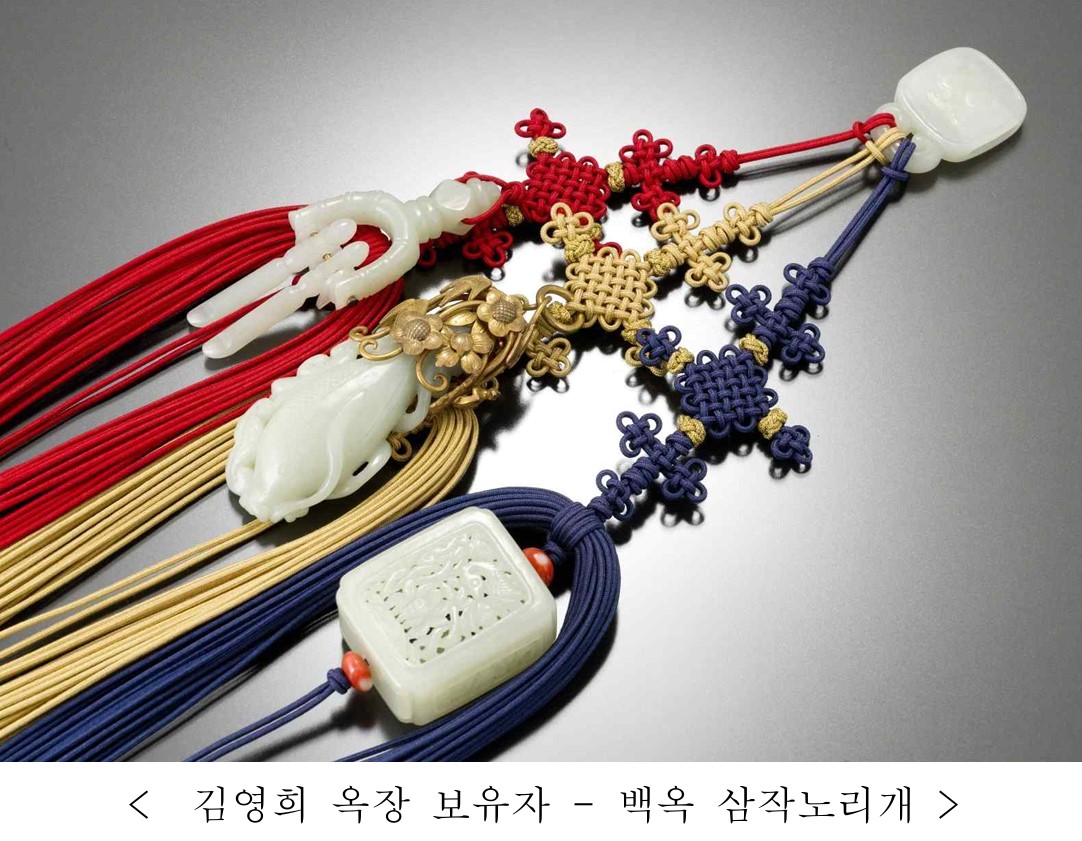
▲ 두 번째 ‘연마’에서는 반복된 몸짓과 수련을 통해 장인만의 기술과 감각이 작품에 스며드는 과정을 소개한다. 각기 다른 무늬의 백옥 조각이 돋보이는 ‘백옥 삼작노리개’(김영희 옥장 보유자), 화려하면서도 섬세한 나전 공예의 정수를 확인할 수 있는 ‘넝쿨무늬 서류 상자’(이형만 나전장 보유자) 등이 전시된다.
▲ 마지막 ‘정진’에서는 자신의 길을 한 걸음씩 꾸준히 이어온 장인의 올곧은 마음과 깊이를 전한다. 조선 초기에서 중기까지 유행한 갓의 형태를 재현한 ‘단구 황찰술 갓’(박창영 갓일 보유자), 전통 한지를 가공해 기능성 소재로 개발한 ‘한지가죽’(안치용 한지장 보유자) 등을 만날 수 있다.
이번 전시는 특히 장인의 궤적이 하나의 작품에서 끝나지 않고 다음 세대의 새로운 궤적으로 이어진다는 점에 주목한다. 한 세대의 경험과 기술은 작품에 담기고, 다시 전승을 통해 다음 세대로 이어진다. 이 과정에서 전통은 과거의 것을 그대로 보존하는 데 그치지 않고 새로운 세대의 손을 거치며 지속적으로 확장되고 변화한다.
이번 전시는 휴관일인 매주 월요일을 제외하고 무료로 관람할 수 있다. 기타 자세한 사항은 국립무형유산원(063-280-1432)으로 문의하면 된다.
The National Intangible Heritage Center, National Intangible Heritage Institute, will hold the '2026 National Intangible Cultural Heritage Holder Art Exhibition' at the National Intangible Heritage Institute Planning Exhibition Hall from the 22nd to October 18th.
In this 54th edition of the exhibition, under the theme 'TRACE,' 231 works by 102 holders of national intangible cultural heritage in traditional fields such as Gatil and Sakyongjang will be showcased.
Starting as the 'Human Cultural Heritage Craft Exhibition' in 1973, the 'National Intangible Cultural Heritage Holder Art Exhibition' has continued for over half a century, showcasing the value and vitality of our traditional skills through the works of inheritors. This year's exhibition, based on this tradition, unfolds the theme of 'TRACE,' showcasing the time, process, and flow of inheritance from one generation to the next through the works of artisans.
'TRACE' refers to the traces and imprints left behind where an object has passed. In this exhibition, attention is not only on the completed works but also on the time, physical movements, and emotional imprints that artisans have accumulated in creating the works. The time spent mastering materials, honing skills, and enduring repetitive tasks is deeply embedded in the works, and the skilled touch of artisans refined through long training leaves a unique mark on the works.
In this exhibition, the processes of artisans active in various fields such as wood, lacquer, ceramics, jade, metal, and clothing are presented through three values: 'density,' 'refinement,' and 'perseverance.'
In the first 'density,' the process of accumulating time in the works through facing materials, mastering them physically, and devoting one's heart is showcased through works like 'Najeon Otchil Haegum' (holder of Goheunggon musical instruments) embellished with vine and flower patterns, and 'Wanju Hwaamsa Geuknakjeon Haang Gongpo' (holder of Wanju Hwaamsa Geuknakjeon) that reproduces a part of Wanju Hwaamsa Geuknakjeon.
In the second 'refinement,' the process of an artisan's skills and sensibility permeating the works through repeated physical movements and training is introduced. Works like 'Baekok Samjak Norigae' (holder of Kim Young-hee jade workshop) with different patterns of jade pieces and 'Najeon craft box with vine patterns' (holder of Lee Hyeong-man Najeon workshop) where the essence of elaborate yet delicate Najeon craft can be appreciated are displayed.
In the last 'perseverance,' the upright heart and depth of artisans who have steadily followed their own path are conveyed. Visitors can encounter works like 'Dangu Hwangchalsool Gat' (holder of Park Chang-young Gatil) reproducing the shape of hats that were popular from the early to mid-Joseon era, and 'Hanji leather' (holder of Ahn Chi-yong Hanji workshop) developed as a functional material from traditional Hanji.
This exhibition particularly emphasizes that the path of artisans does not end with one work but continues as a new path for the next generation. The experiences and skills of one generation are encapsulated in the works and are passed on to the next generation through inheritance. In this process, tradition does not just preserve the past as it is but continuously expands and evolves through the hands of the new generation.
This exhibition can be viewed for free, except on Mondays, which are closing days. For further details, inquiries can be made to the National Intangible Heritage Institute at 063-280-1432.