National Gunsan University Software Department Strengthens Education with AI and Data-Centric Step-by-Step Approach
...
한문숙 기자 (2026-08-27 01:22)
국립군산대학교 소프트웨어학과가 프로그래밍 기초부터 인공지능(AI)·데이터 활용, 오픈소스·DevOps, 프로젝트와 현장실습까지 연계한 단계형 교육과정을 운영하며 소프트웨어 전문인재 양성에 나선다.
26일 국립군산대에 따르면 소프트웨어학과의 2026학년도 전공 교과과정은 총 43개 과목, 111학점으로 구성됐다.
저학년에서는 컴퓨터개론과 C·Python·Java 프로그래밍, 데이터베이스, 컴퓨터구조론, 자료구조론 등을 통해 코딩과 전산학 기초를 익힌다.
중·고학년에서는 인공지능 에이전트 실전 개발, 머신러닝, AI 기반 소프트웨어공학, 사물인터넷(IoT), 컴퓨터네트워크, 알고리즘 등 최신 기술을 학습한다.
오픈소스 소프트웨어 프로젝트와 DevOps, AI 기반 빅데이터 프로젝트, 모바일 프로그래밍, 컴퓨터보안, 캡스톤디자인, 현장실습 등 실무형 교과목도 운영한다.
학과는 금융·바이오·제조·물류·조선·신재생에너지 등 지역 특화산업에 소프트웨어 기술을 융합할 수 있는 창의형·융합형·실무형 인재 양성을 목표로 하고 있다.
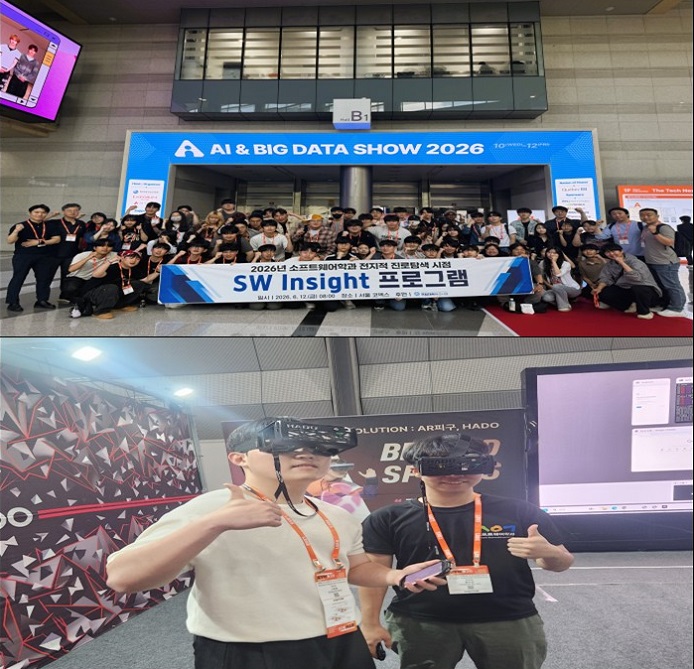
특히 프로젝트 기반 수업과 산업체 참여 교육, 비교과 활동을 연계해 학생들이 전공 지식을 실제 개발 결과물과 포트폴리오로 연결할 수 있도록 지원한다.
학과 교수진은 “학생들이 단순히 코드를 작성하는 것을 넘어 문제를 정의하고 데이터를 활용해 해결책을 설계하며 실제 서비스로 구현하는 역량을 갖출 수 있도록 교육과정을 구성했다”며 “AI 시대의 변화를 주도하는 융합형 인재 양성을 위해 교육의 현장성을 높여가겠다”고 밝혔다.
2027학년도 수시모집 관련 내용은 국립군산대학교 입학 홈페이지에서 확인할 수 있다.
The Department of Software Engineering at Kunsan National University is taking the lead in nurturing software professionals by operating a step-by-step educational program that integrates from basic programming to artificial intelligence (AI) and data utilization, open source and DevOps, projects, and field internships.
According to Kunsan National University on the 26th, the major curriculum for the 2026 academic year in the Department of Software Engineering consists of a total of 43 subjects and 111 credits.
In the lower grades, students learn coding and the basics of computer science through subjects such as Introduction to Computers, C·Python·Java programming, databases, computer architecture, and data structures.
In the middle and upper grades, students study the latest technologies such as practical development of AI agents, machine learning, AI-based software engineering, Internet of Things (IoT), computer networks, and algorithms.
They also offer practical courses such as open source software projects and DevOps, AI-based big data projects, mobile programming, computer security, capstone design, and field internships.
The department aims to cultivate creative, integrated, and practical talents who can integrate software technology into region-specific industries such as finance, bio, manufacturing, logistics, shipbuilding, and renewable energy.
In particular, by integrating project-based classes, industry-participated education, and extracurricular activities, the department supports students in connecting their major knowledge to actual development results and portfolios.
The faculty of the department stated, "We have designed the curriculum to enable students to go beyond simply writing code, defining problems, utilizing data, designing solutions, and implementing them into actual services," and expressed their commitment to increasing the practicality of education to foster integrated talents leading the changes in the AI era.
Information regarding the 2027 academic year's rolling admissions can be found on the Kunsan National University admission homepage.