Lee Juri Solo Exhibition "Visible or Invisible" to be Held at Seoul Branch of Jeonbuk Provincial Museum of Art
...
이병재 기자 (2026-10-19 08:42)
서양화가 이주리의 개인전 ‘보이거나 보이지 않는’이 15일부터 25일까지 전북도립미술관 서울분관에서 열린다.
이주리 작가는 존재에 대한 근원적인 물음에서 출발해 인체를 주요 소재로 작업해 왔다. 사실적인 신체 묘사에 비현실적인 구성을 결합해 삶의 흔적과 말로 설명하기 어려운 감정을 표현하며, 같은 것과 다른 것 사이의 간극, 인식과 감각의 어긋남을 다룬다.
이번 전시는 존재와 비존재 사이의 모호한 경계와 인간 내면에 공존하는 상반된 욕망을 보여준다. 작가는 어딘가에 머무르고자 하는 ‘안착’과 그곳에서 벗어나고자 하는 ‘탈피’라는 두 욕망에 주목하여, 완벽한 안착도 완벽한 탈피도 이루지 못한 채 이성과 본능의 충돌, 앎과 느낌 사이의 간극에서 흔들리는 인간의 모습을 그려 낸다.
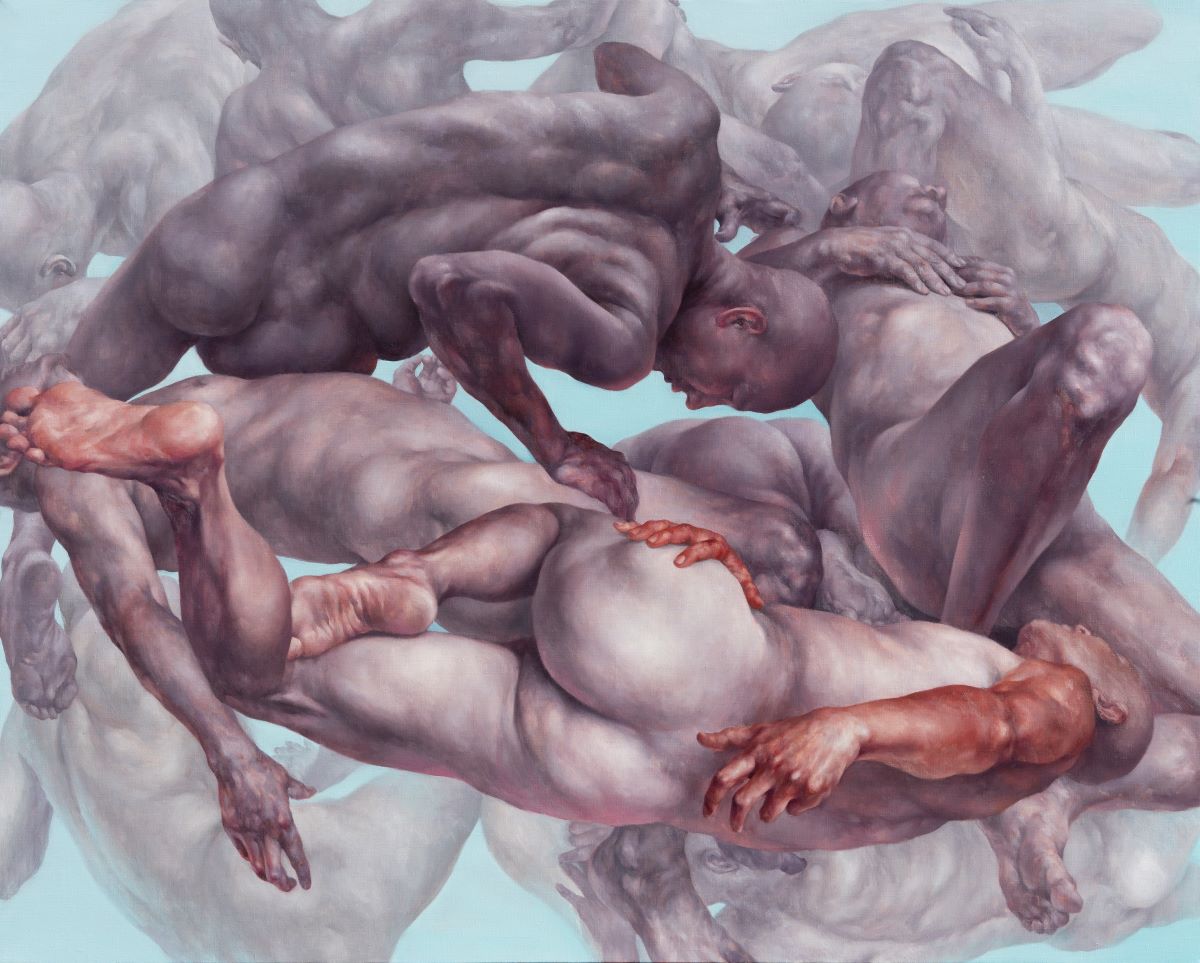
전시에서 선보이는 신작 ‘보이거나 보이지 않는’ 연작에는 여러 인체가 뒤엉키고 중첩된 모습으로 등장한다. 팔과 다리, 몸통 등 신체의 각 부분은 구체적으로 묘사되어 있지만, 서로 얽힌 구성 속에서 개별 형상의 경계는 점차 흐려진다. 각각의 몸은 독립된 존재이면서 동시에 하나의 덩어리로 이어지며, 익숙한 인체의 형상이 낯선 모습으로 나타난다.
눈에 보이는 신체의 형상은 쉽게 드러나지 않는 내면의 감정과 감각을 표현하는 수단이 된다. 삶의 흔적은 살아가는 동안 지워지지만, 이를 남기고자 하는 마음도 작품에 담겨 있다. 서로 얽힌 몸의 이미지는 이러한 모순을 드러낸다.
이주리 작가는 원광대학교 미술대학 서양화과를 졸업했다. 《Afterimage》(2023), 《다르거나 다르지 않다》(2021) 등 국내외에서 총 25회의 개인전을 열었고, 약 120회의 기획·초대전과 단체전에 참여했다. 전북도립미술관의 ‘전북청년 2015’에 선정되었으며, 유휴열미술관의 ‘제13회 전북청년미술상’과 광주시립미술관의 ‘제15회 하정웅 청년작가상’을 수상했다. 주요 작품 소장처로는 서울시립미술관, 국립현대미술관 미술은행, 전북도립미술관 등이 있다.
전북도립미술관은 동시대 전북 미술의 실험성과 조형적 깊이를 서울 및 수도권 지역의 관람객들과 공유하는 플랫폼이 되고자 서울분관을 운영하고 있다. 지난해 대관 공모를 통해 개별 전시를 선정하였으며, 작가와 평론가를 연결하는 비평 매칭 프로그램을 지원한다. 또한 대관 전시가 모두 종료된 이후에는 한 해 동안 참여한 전시를 아카이빙한 연감 도록을 발간할 예정이다. 전시기간 중 휴관일인 월요일을 제외한 화요일부터 일요일까지 오전 10시부터 오후 6시까지 관람할 수 있으며, 관람료는 무료이다.
The solo exhibition of the Western painter Lee Juri, titled 'Visible or Invisible,' will be held at the Seoul branch of the Jeonbuk Provincial Museum of Art from the 15th to the 25th.
Starting from fundamental questions about existence, artist Lee Juri has been working with the human body as a primary subject. By combining realistic depictions of the body with unrealistic compositions, she expresses traces of life and emotions that are difficult to describe in words, dealing with the gap between sameness and difference, and the discord between perception and sensation.
This exhibition showcases the ambiguous boundaries between existence and non-existence and the conflicting desires coexisting within the human psyche. The artist focuses on two desires: the desire to settle ('anchoring') somewhere and the desire to break free ('shedding') from that place, depicting the wavering nature of humans caught between reason and instinct, the clash between knowledge and feeling, without achieving perfect settlement or complete shedding.
In the new series 'Visible or Invisible' presented at the exhibition, multiple human figures appear intertwined and overlapping. While each part of the body such as arms, legs, and torso is depicted concretely, the boundaries of individual shapes gradually blur within the entwined composition. Each body is an independent existence yet connected as one entity, presenting familiar human forms in unfamiliar appearances.
The visible shapes of the body become a means to express the emotions and sensations of the inner self that are not easily revealed. Traces of life may be erased as one lives on, but the desire to leave a mark is also embedded in the artwork. The intertwined images of bodies reveal these contradictions.
Lee Juri graduated from the Department of Western Painting at Wonkwang University's College of Fine Arts. She has held a total of 25 solo exhibitions both domestically and internationally, including "Afterimage" (2023) and "Different or Not Different" (2021), and has participated in around 120 planned, invited, and group exhibitions. She was selected for the 'Jeonbuk Youth 2015' at the Jeonbuk Provincial Museum of Art, and has won awards such as the '13th Jeonbuk Youth Art Award' at the Yoo Hyu Art Museum and the '15th Ha Jung-woong Young Artist Award' at the Gwangju City Museum of Art. Major collections of her works include the Seoul Metropolitan Art Museum, the National Museum of Modern and Contemporary Art, and the Jeonbuk Provincial Museum of Art.
The Jeonbuk Provincial Museum of Art operates its Seoul branch to share the experimental and sculptural depth of contemporary Jeonbuk art with viewers in Seoul and the metropolitan area. Through last year's rental call for exhibitions, individual exhibitions were selected, and they support a criticism matching program that connects artists and critics. Additionally, after all rental exhibitions have ended, they plan to publish an annual archive documenting the exhibitions participated in over the year. The exhibition can be viewed from Tuesday to Sunday, excluding Mondays, from 10 a.m. to 6 p.m. during the exhibition period, and admission is free.