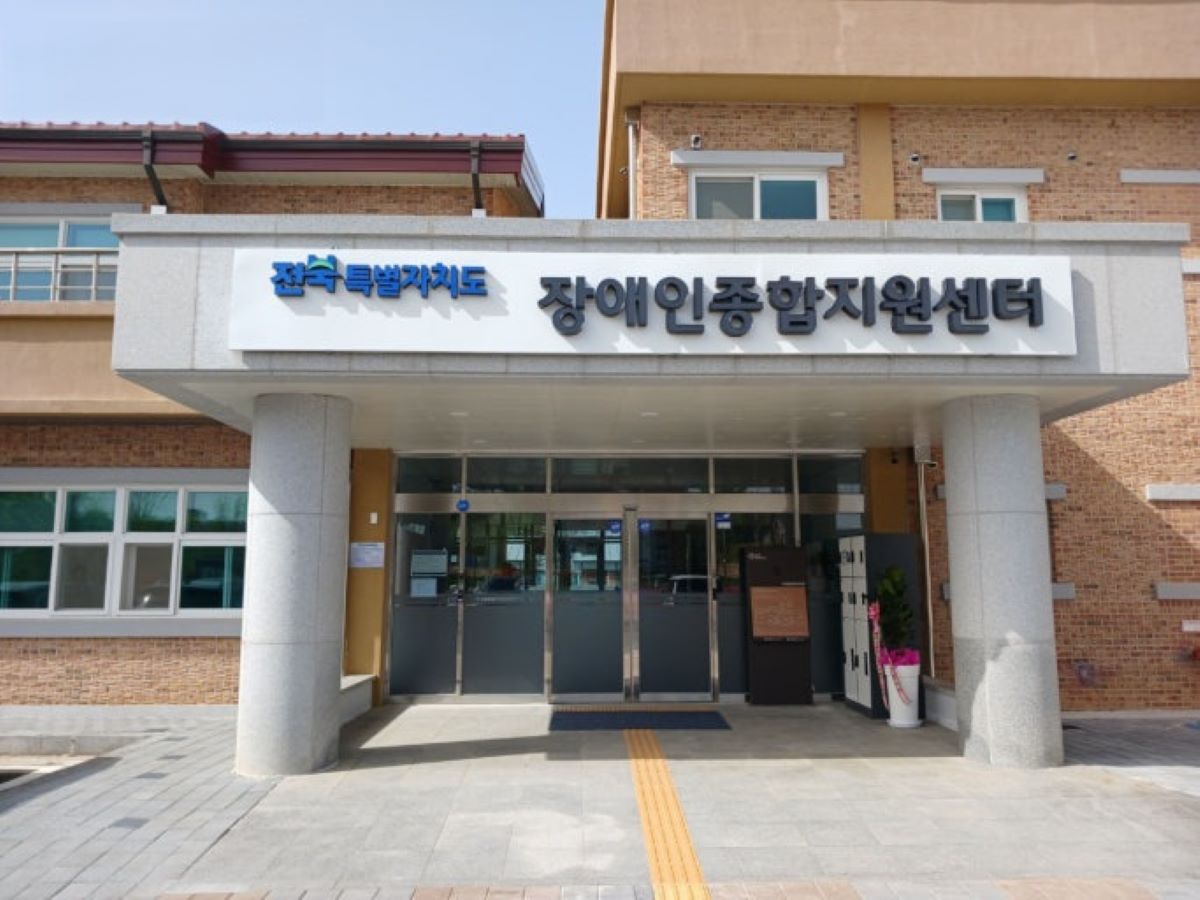
Former Jarim Welfare Foundation Site Transformed into a Complex Community Town for the Disabled
...
이병재 기자 (2026-10-20 16:11)
전북특별자치도가 전주시 성덕동 옛 자림복지재단 부지를 장애인의 자립과 교육, 고용을 종합적으로 지원하는 복합커뮤니티타운으로 조성하고 있다.
전북특별자치도는 현재 운영 중인 장애인종합지원센터를 중심으로 특수학교와 장애인고용교육연수원, 장애인일자리종합타운 등 관련 시설을 단계적으로 확충하고 있다고 20일 밝혔다.
이번 사업은 장애인의 자립생활부터 직업교육, 취업 지원까지 다양한 서비스를 연계할 수 있는 통합지원 기반을 마련하기 위한 것이다. 도는 지난 2019년 부지 활용 기본계획을 수립한 이후 전북특별자치도교육청, 전주시, 한국장애인고용공단 등 관계기관과 협력해 사업을 추진하고 있다.
가장 먼저 운영에 들어간 장애인종합지원센터는 총 45억 원을 투입해 조성됐으며, 2024년 4월 개소 이후 장애인의 자립생활과 사회참여를 지원하고 있다.
센터는 개소 이후 장애인 1만 1,077명에게 문화·여가활동과 다양한 체험 기회를 제공했으며, 1,123명을 대상으로 자립역량 강화 교육을 실시했다. 자립생활 체험과 일상생활 적응을 지원하는 체험홈에도 3,306명이 참여했다.
장애인의 직업교육과 고용 역량을 높이기 위한 시설 조성도 진행되고 있다. 전북특별자치도교육청이 추진하는 직업중점 특수학교인 가칭 '보름학교'는 총 380억 원을 투입해 18개 학급 규모로 조성된다. 지난해 착공해 현재 공사가 진행 중이며, 2027년 3월 개교를 목표로 하고 있다. 학교는 장애학생의 직업교육을 중심으로 취업 역량을 높이는 역할을 맡게 된다.
한국장애인고용공단이 추진하는 장애인고용교육연수원에는 장애인고용촉진 및 직업재활기금 291억 원이 투입된다. 장애인과 사업주 등을 위한 전문 교육·연수시설로, 지난해 10월 설계공모를 거쳐 현재 설계가 진행 중이다. 2027년 12월 착공해 2029년 말 운영을 목표로 추진된다.
전주시도 장애인의 일자리 지원과 기업 연계 기능을 갖춘 장애인일자리종합타운 조성을 추진하고 있다. 현재 사업계획 수립 단계로, 향후 장애인의 안정적인 고용과 취업 지원을 위한 기반을 마련할 계획이다.
이와 함께 도와 전주시는 총 33억 원을 투입해 복합커뮤니티타운 진입도로 개설을 추진하는 등 시설 이용 편의를 위한 기반시설 확충에도 나서고 있다.
도는 각 기관이 추진하는 시설의 기능을 유기적으로 연계해 장애인이 교육과 직업훈련, 취업 지원, 자립생활 서비스를 보다 편리하게 이용할 수 있는 통합지원 체계를 구축해 나갈 방침이다.
또한, 도에서는 복합커뮤니티타운 조성과 함께 (가칭)농생명 특화 장애인직업능력개발원이 도내에 유치, 건립될 수 있도록 한국장애인고용공단과 연구용역을 진행하고 있다. 이는 도농복합도시인 전북의 특성을 반영하여 기존 제조업 중심의 장애인 직업훈련에서 벗어나, 농생명 특화 직업훈련 인프라 구축을 통해 지역 맞춤형 장애인 직업능력 개발과 고용기회 확대를 목적으로 하고 있다.
김미정 전북특별자치도 복지여성보건국장은 “이번 사업은 장애인의 자립, 고용, 교육을 통합적으로 지원하는 체계를 구축하는 데 의미가 크다”며, “시설을 짓는데 그치지 않고 장애인 당사자가 실제로 변화를 체감할 수 있도록 서비스 연계와 운영을 꼼꼼히 살피겠다”고 밝혔다.
Jeonbuk Special Self-Governing Province is transforming the former Jarim Welfare Foundation site in Seongdeok-dong, Jeonju City, into a comprehensive community town that supports the independence, education, and employment of people with disabilities.
The province announced on the 20th that it is gradually expanding facilities such as special schools, disability employment training centers, and comprehensive towns for disabled jobs around the currently operating Comprehensive Support Center for the Disabled.
This project aims to establish an integrated support system that can link various services from independent living of people with disabilities to vocational education and employment support. Since formulating the basic plan for utilizing the site in 2019, the province has been working with the Jeonbuk Special Self-Governing Province Office of Education, Jeonju City, the Korea Employment Agency for the Disabled, and other related organizations to promote the project.
The Comprehensive Support Center for the Disabled, which first entered operation, was established with a total investment of 4.5 billion won and has been supporting the independent living and social participation of people with disabilities since its opening in April 2024.
Since its opening, the center has provided cultural and leisure activities and various experiential opportunities to 11,077 disabled individuals, and conducted independent living capacity enhancement education for 1,123 individuals. A total of 3,306 individuals participated in the experiential homes that support independent living experiences and daily life adaptation.
Facilities are also being developed to enhance the vocational education and employment capabilities of people with disabilities. The vocational-focused special school called 'Boreum School,' led by the Jeonbuk Special Self-Governing Province Office of Education, is being established with an investment of 38 billion won, with 18 classes. The construction began last year and is currently in progress, with the goal of opening in March 2027. The school will focus on vocational education for disabled students to enhance their employability.
The Disability Employment Training Center, led by the Korea Employment Agency for the Disabled, will receive an investment of 29.1 billion won for promoting disabled employment and vocational rehabilitation. As a specialized education and training facility for people with disabilities and employers, the design process is currently underway after a design competition in October last year. The project aims to start construction in December 2027 and commence operations by the end of 2029.
Jeonju City is also promoting the establishment of a Comprehensive Town for Disabled Jobs with support for job placement for people with disabilities and corporate partnerships. Currently in the stage of project planning, the city plans to establish a foundation for stable employment and job support for people with disabilities in the future.
In addition, the province and Jeonju City are investing a total of 3.3 billion won to expand infrastructure facilities for the convenience of using the complex community town, including the development of entrance roads.
The province plans to organically link the functions of the facilities being promoted by each institution to establish an integrated support system that allows people with disabilities to more conveniently access education, vocational training, job support, and independent living services.
In addition to the development of the complex community town, the province is also working with the Korea Employment Agency for the Disabled to attract and build the (tentatively named) Agricultural Specialized Disability Vocational Training Center in the province. This initiative aims to move away from the existing manufacturing-centered vocational training for people with disabilities and instead focus on building infrastructure for specialized vocational training in agriculture and life sciences to develop region-specific disability vocational skills and expand employment opportunities.
Kim Mi-jeong, Director of the Welfare Women's Health Department of Jeonbuk Special Self-Governing Province, stated, "This project is significant in establishing a system that comprehensively supports the independence, employment, and education of people with disabilities," and added, "We will carefully monitor the service coordination and operation to ensure that people with disabilities can actually feel the change, not just in building facilities."